Top 10 Books to Read for Financial Gains!
In today’s fast-paced and ever-changing world, financial literacy is not just a desirable skill but a crucial one for anyone looking to secure their financial future. Whether you’re aiming to build wealth, achieve financial independence, or simply manage your money more effectively, the right knowledge can make all the difference. One of the most accessible and powerful ways to gain this knowledge is through reading. Books have the ability to distil years of experience and expertise into digestible insights, offering practical advice and timeless principles that can transform the way you approach your finances.
In this blog post, I’ve curated a list of the top 10 books that every aspiring investor, saver, or entrepreneur should read for financial gains. These books cover a range of topics from investing strategies and wealth-building principles to personal finance management and mindset shifts. Whether you’re just starting on your financial journey or looking to refine your strategies, these books are sure to provide valuable guidance and inspiration.
Let’s dive into our selection of books that can pave the way to financial success and empowerment.
1. Rich Dad Poor Dad by Robert T. Kiyosaki
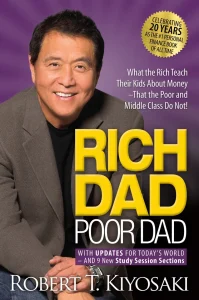
- Author’s Insights on Financial Independence: Robert Kiyosaki shares his personal story of growing up with two father figures: his own biological father (Poor Dad) and the father of his best friend (Rich Dad). Through their contrasting approaches to money and life, Kiyosaki emphasizes the importance of financial education and mindset in achieving financial independence.
- Difference Between Assets and Liabilities: One of the central concepts in the book is the distinction between assets (things that put money in your pocket) and liabilities (things that take money out of your pocket). Kiyosaki encourages readers to focus on acquiring assets that generate passive income rather than accumulating liabilities that drain resources.
- Key Takeaways for Building Wealth: Rich Dad Poor Dad provides practical insights for building wealth, such as investing in real estate, starting your own business, and understanding the power of financial leverage. Kiyosaki’s lessons on financial intelligence and the mindset of the wealthy are designed to empower readers to take control of their financial futures.
2. The Intelligent Investor by Benjamin Graham
- Fundamental Principles of Value Investing and Risk Management: Benjamin Graham, known as the father of value investing, lays out timeless principles for investors. He emphasizes the importance of analyzing stocks based on their intrinsic value rather than market trends. Graham’s approach involves seeking out undervalued stocks with a margin of safety to protect against downside risk.
- Timeless Strategies for Making Informed Investment Decisions: The book introduces concepts such as Mr. Market and the defensive investor vs. the enterprising investor. Graham advocates for a disciplined and patient approach to investing, focusing on long-term value rather than short-term speculation. His strategies include methods for evaluating financial statements, understanding market fluctuations, and constructing a diversified portfolio.
3. The Total Money Makeover by Dave Ramsey
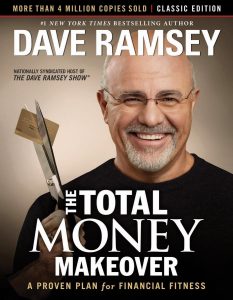
- Practical Steps for Financial Stability: Dave Ramsey’s book is a practical guide for achieving financial freedom through a series of actionable steps. He emphasizes the importance of budgeting, eliminating debt using the debt snowball method, and building an emergency fund.
- Budgeting Techniques and Long-Term Success Strategies: Ramsey’s approach focuses on personal responsibility and financial discipline. His “baby steps” method breaks down financial goals into manageable tasks, helping readers to take control of their money and plan for a secure future.
4. Think and Grow Rich by Napoleon Hill
- The Power of Mindset and Visualization: Napoleon Hill’s classic explores the psychological aspects of success, emphasizing the role of mindset and belief in achieving financial goals. Hill distills the principles of success from interviews with wealthy individuals, highlighting the importance of persistence, goal-setting, and positive thinking.
- Success Principles Derived from Interviews: Through his research, Hill identifies key success principles such as the mastermind principle, the power of desire, and the importance of taking decisive action. The book serves as a motivational tool, inspiring readers to cultivate their mental attitudes and habits for financial success.
5. The Millionaire Next Door by Thomas J. Stanley and William D. Danko
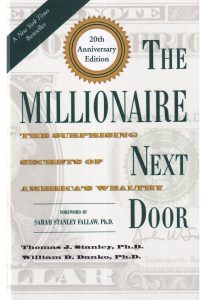
- Insights into Millionaires’ Habits and Lifestyles: Stanley and Danko’s research-based book challenges common perceptions of wealth by examining the habits and lifestyles of everyday millionaires. They reveal that many millionaires live modestly, prioritize saving and investing, and avoid conspicuous consumption.
- Practical Advice on Wealth Accumulation: The authors provide practical advice on building wealth, such as living below your means, investing wisely, and maintaining financial independence. They emphasize the importance of frugality, discipline, and long-term planning in achieving financial security.
6. Your Money or Your Life by Vicki Robin and Joe Dominguez
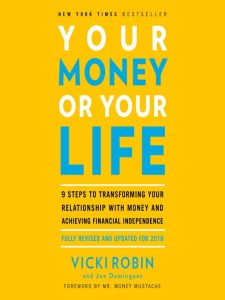
- Achieving Financial Independence Through Mindful Spending: Vicki Robin and Joe Dominguez offer a transformative approach to personal finance. They emphasize the connection between money and life energy, encouraging readers to align their spending with their values to achieve financial independence.
- Steps to Align Values with Financial Goals: The book outlines a nine-step program for gaining control over finances, reducing expenses, and investing for the future. It promotes conscious consumption and encourages readers to rethink their relationship with money for a more fulfilling and sustainable lifestyle.
7. The Little Book of Common Sense Investing by John C. Bogle
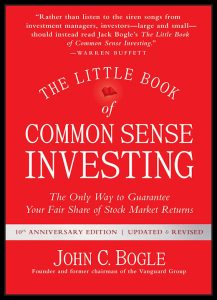
- Introduction to Index Funds and Passive Investing: John C. Bogle, the founder of Vanguard Group, advocates for a simple yet powerful investment strategy—index investing. He explains the benefits of low-cost index funds and emphasizes the importance of long-term investing and diversification.
- Strategies for Superior Long-Term Investment Returns: Bogle’s book provides practical advice on building wealth through a buy-and-hold approach, minimizing fees, and staying the course during market fluctuations. It serves as a comprehensive guide for both novice and experienced investors.
8. Secrets of the Millionaire Mind by T. Harv Eker
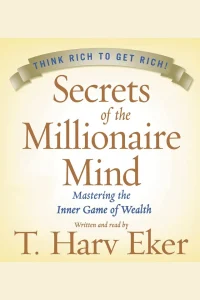
- Identifying and Changing Your Money Mindset: T. Harv Eker explores the connection between thoughts, beliefs, and financial success. He introduces the concept of the “wealth blueprint,” which influences one’s financial outcomes and offers strategies for reprogramming negative beliefs about money.
- Wealth Principles and Overcoming Limiting Beliefs: Eker shares principles for creating wealth, including the importance of financial education, taking calculated risks, and developing a positive attitude towards money. His insights inspire readers to adopt a mindset that aligns with their financial goals.
9. I Will Teach You to Be Rich by Ramit Sethi
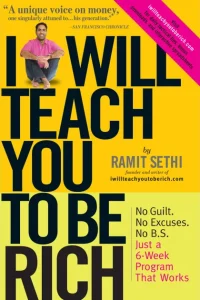
- Practical Advice on Automating Finances and Earning More: Ramit Sethi provides actionable steps for millennials and young professionals to achieve financial success. He emphasizes the importance of automation, negotiation skills, and investing in personal growth to increase income and savings.
- Strategies for Investing, Saving, and Spending Wisely: The book covers topics such as setting up a conscious spending plan, optimizing credit cards for rewards, and making informed investment decisions. Sethi’s approach is practical, engaging, and tailored to today’s digital age.
10. The Richest Man in Babylon by George S. Clason
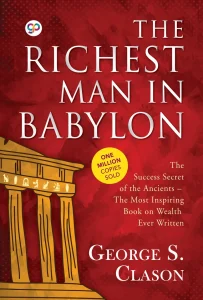
- Financial Wisdom from Ancient Babylonian Parables: George S. Clason presents timeless financial principles through a series of parables set in ancient Babylon. The book teaches lessons on saving, investing, and building wealth through simple yet effective strategies.
- Principles of Wealth-Building and Financial Security: Each parable conveys a specific financial lesson, such as paying yourself first, avoiding debt, and seeking sound investment advice. Clason’s storytelling approach makes complex financial concepts accessible and memorable for readers.
(Disclaimer: The links Provided are Affiliate Links meaning i’ll get a small commission when you buy using these links with no extra charge to you)
Enjoy Reading 😉

Hey It’s me, I’m a Book enthusiast and love reading books, trying to learn about different aspects of life and learn from them and share them along the way.